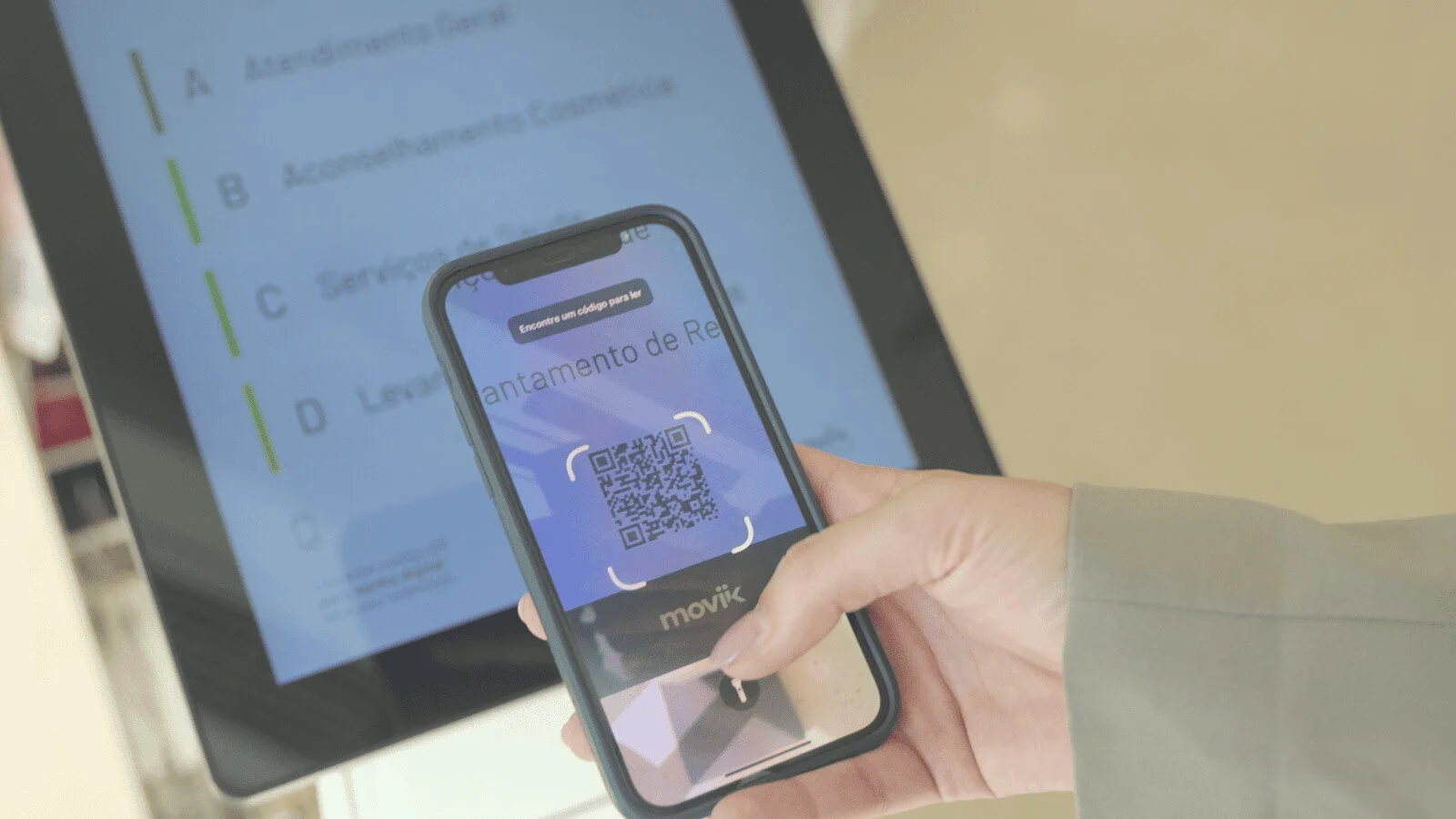
Today’s consumers are mobile-first, impatient, and expect control. They book appointments online, track deliveries in real time, and navigate services without needing to ask for help. Waiting in line with no transparency or flexibility? That doesn’t cut it anymore.
Modern queue management needs to reflect these behaviors. It’s not just about shortening lines; it’s about meeting expectations of autonomy, information, and comfort.
What Modern Customers Expect From a Queue
Before we dive into solutions, let's break down the new standard from the customer's point of view:
Autonomy: Choosing how and when to join a queue.
Transparency: Real-time updates on wait times and position.
Comfort: Not needing to stand in a physical line.
Consistency: Seamless experience across physical and digital touchpoints.
Businesses that fail to meet these expectations risk losing customers before they even reach the counter.
Customers Want Control - Give it to Them
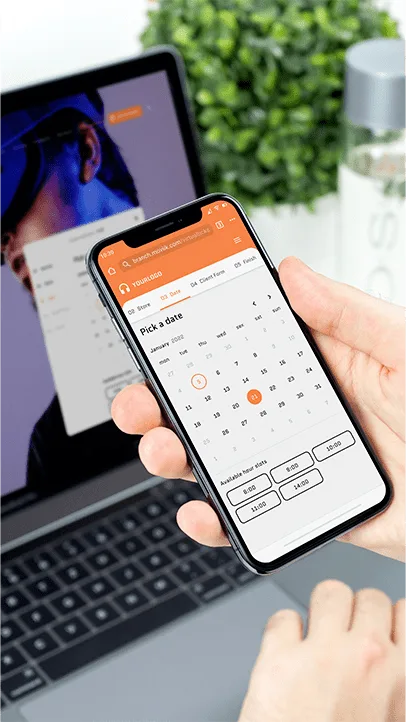
Let customers choose their service and schedule through an intuitive booking system. This reduces perceived waiting time and gives customers flexibility—a key driver of satisfaction.
By offering appointment scheduling or virtual queue joining via mobile, you remove friction from the process and empower the customer.
Make Waiting Invisible
Nobody likes to wait, but people especially dislike the feeling of waiting.
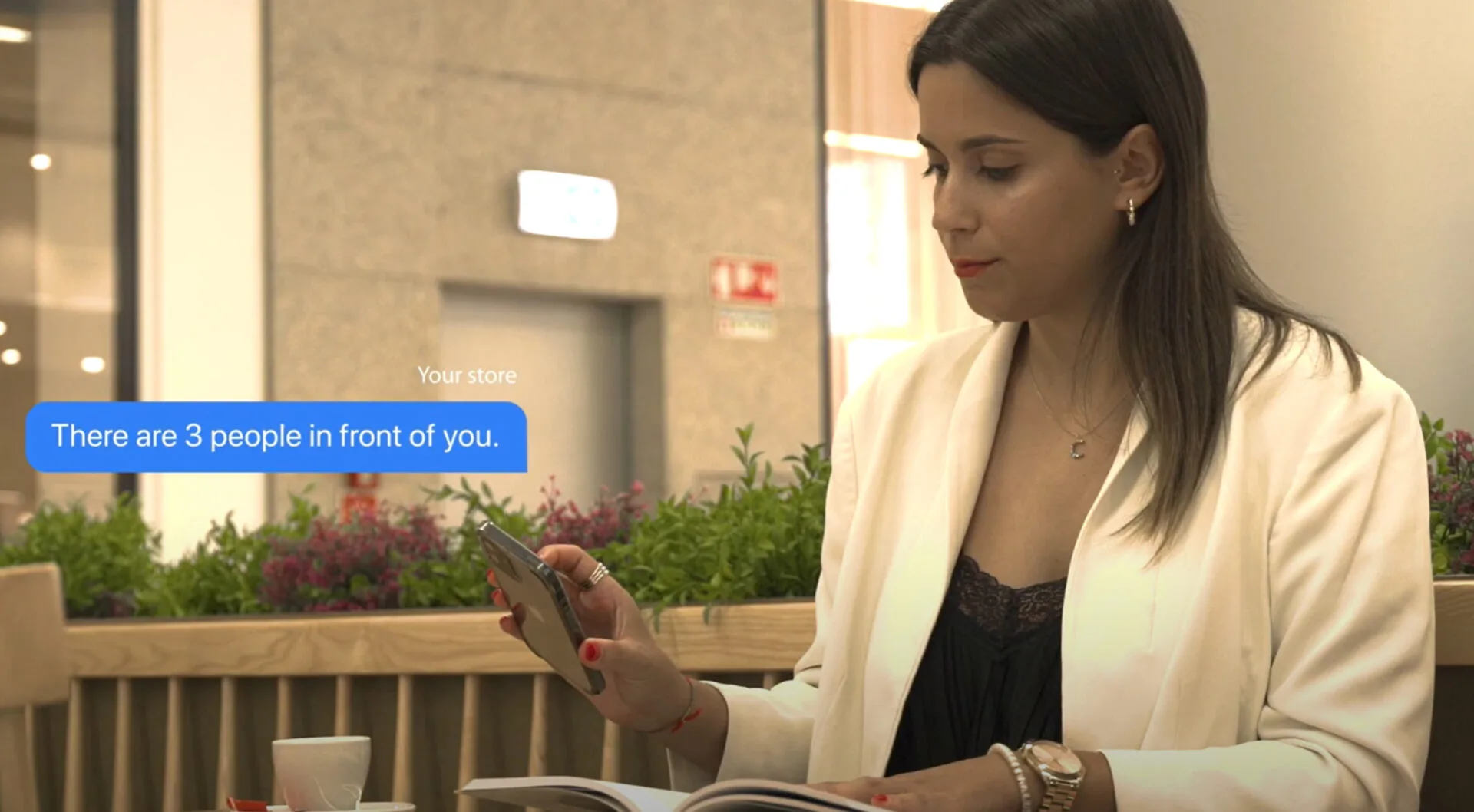
Digital tickets with live updates let customers step away from the line physically while staying informed virtually. That freedom makes queues feel shorter, and improves the overall experience.
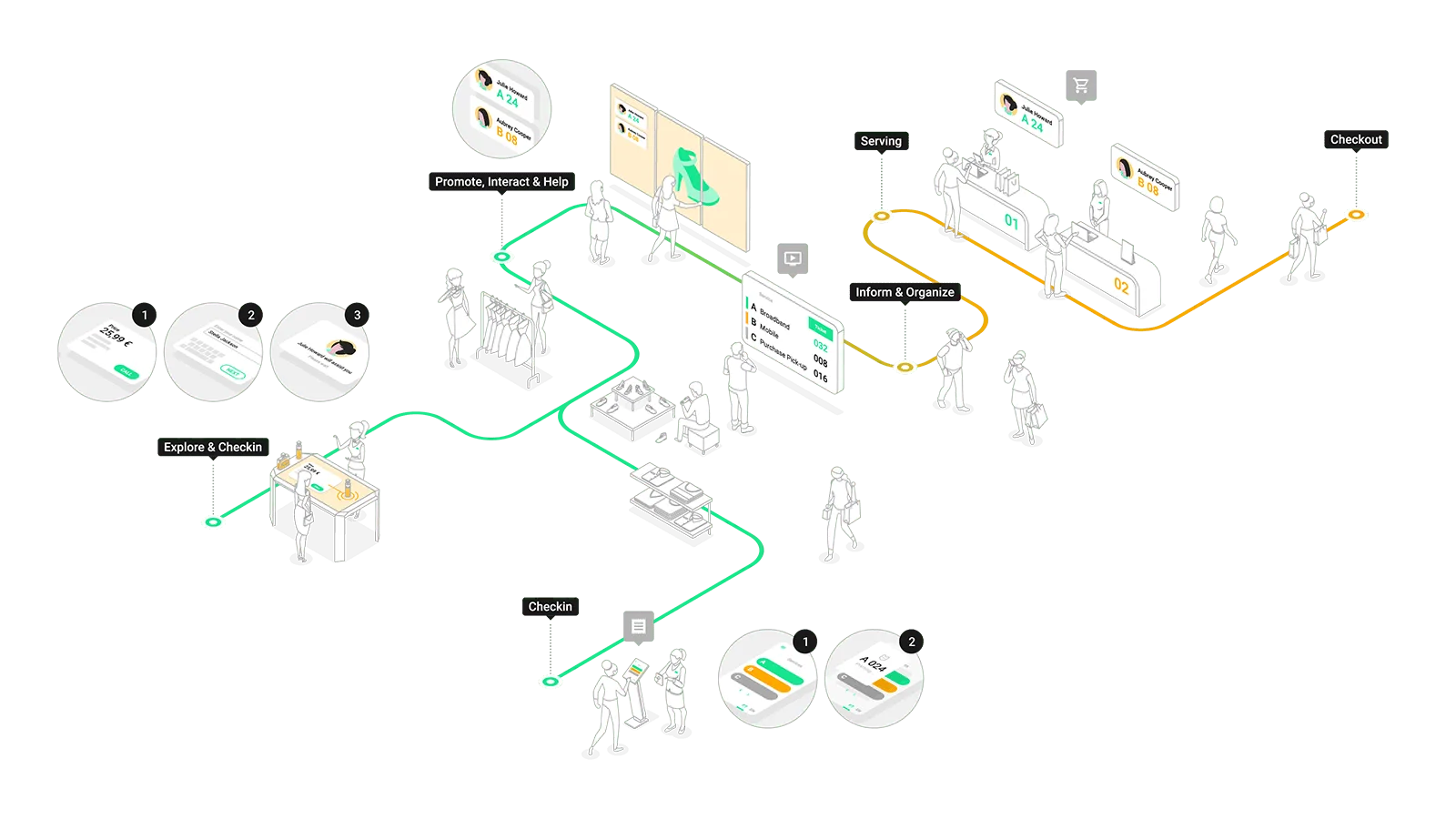
Combine Digital and Physical Entry Points
A hybrid system meets everyone where they are:
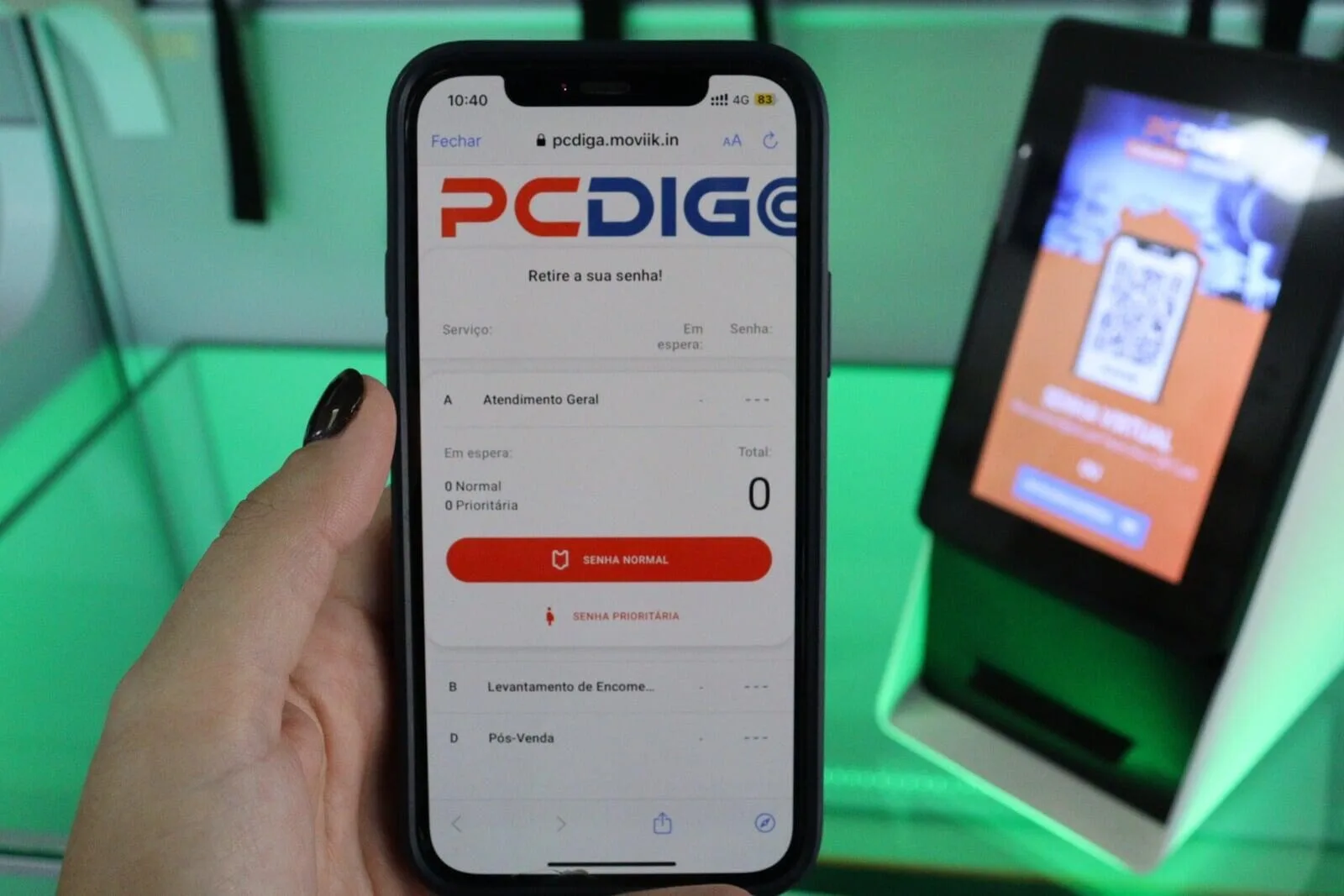
Walk-ins can take a ticket via kiosk.
Planners can join via web or app.
This flexibility ensures no customer is left out, and allows businesses to manage flows better.
Use Real-Time Displays to Set Expectations
Transparency reduces stress. With displays showing queue status or estimated waiting time, customers feel informed and more willing to wait.
These can be presented via:
In-store monitors (Players);
SMS or push notifications;
Mobile dashboards.
Queue management isn’t just a back-office tool anymore. It’s part of your customer experience.
Businesses that adapt to the digital behaviors of today’s consumers will retain more customers, reduce frustration, and operate more efficiently.
Ready to simplify your customer journey?
Request a free demo of QCherga and start your transition to intelligent queue management today.