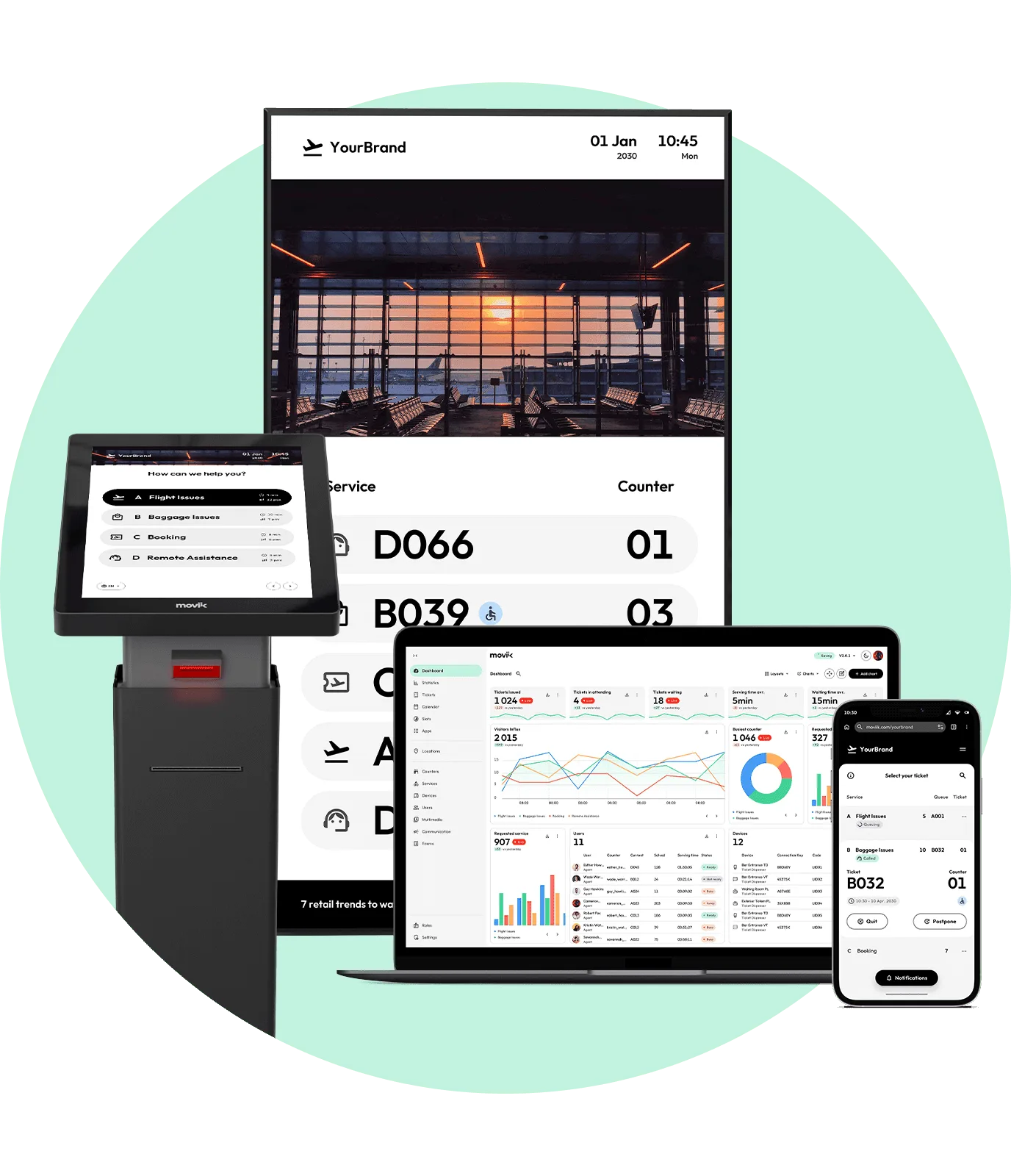
Queue management is no longer just a tool to organise service — it’s becoming a core part of how businesses deliver efficiency, experience, and connection
From retail to banking, healthcare to retail, the future of queueing is smart, predictive and fully digital.
Here are the key trends that will define the next generation of queue management systems — and how forward-thinking organisations can start acting today.
Predictive Intelligence: From Reaction to Anticipation
Modern queueing technology is moving from reactive to predictive. Artificial Intelligence (AI) and Machine Learning algorithms are enabling systems to forecast peak periods, adjust resource allocation in real time, and suggest operational improvements before bottlenecks even occur.
This shift changes everything — from staff planning to customer satisfaction. Instead of responding to queues, businesses will anticipate them.
Mobile-First, Contacless Journeys
Customers no longer want to touch kiosks or wait in physical lines. They expect to check in from their phone, receive real-time updates, and be served when it’s convenient — with zero friction.
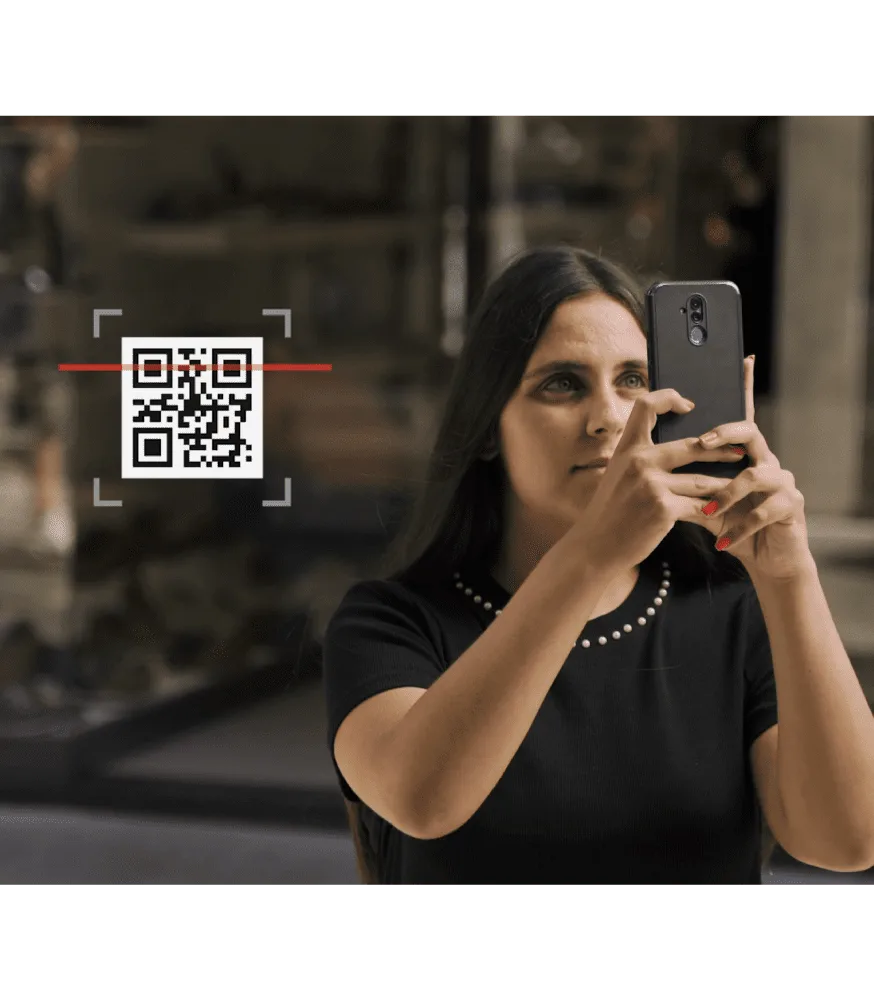
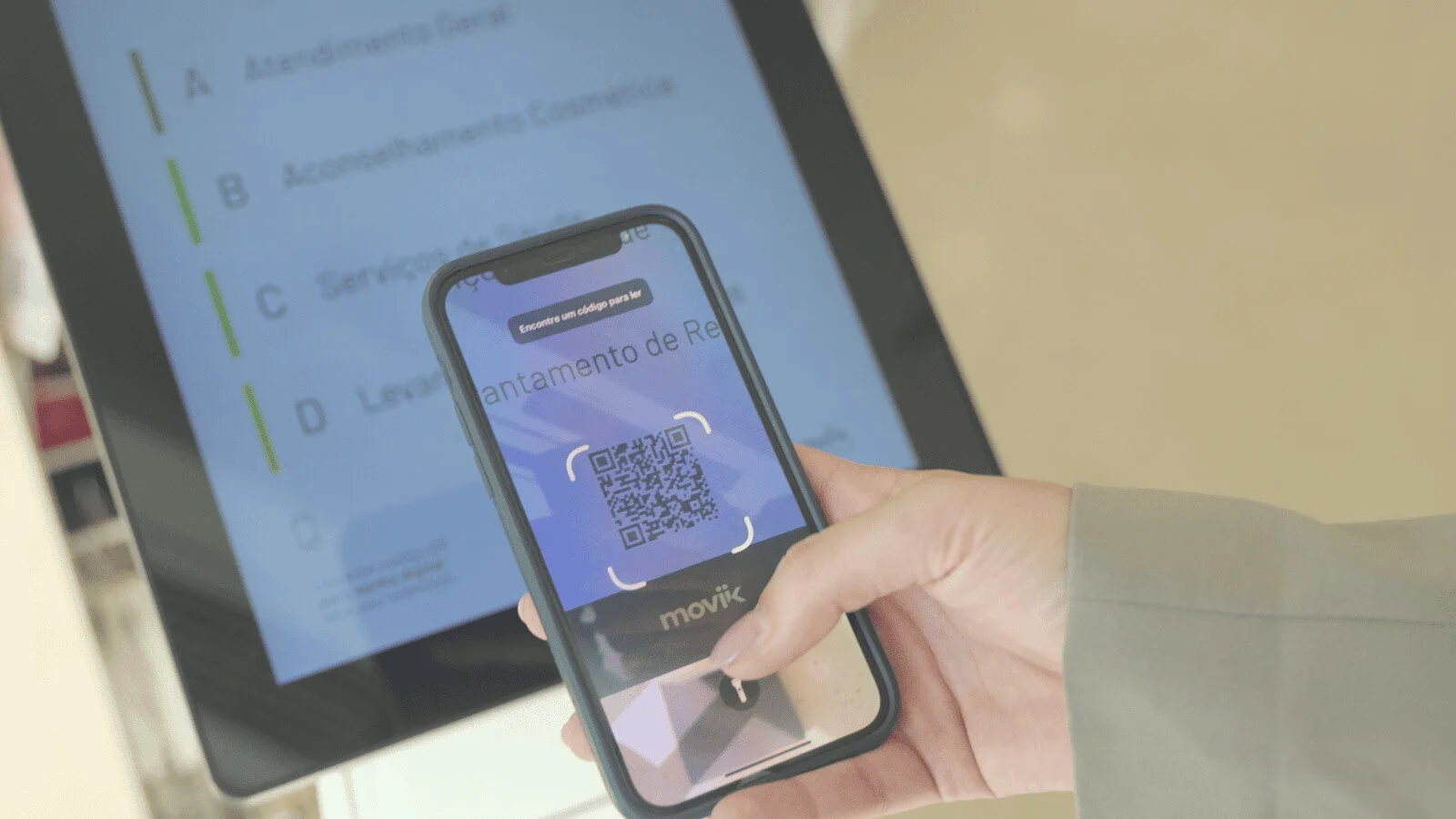
Digital tickets, accessible via QR codes, are becoming standard in queue management. They don’t just eliminate physical contact — they unlock a new level of convenience and autonomy for the user.
Queueing as Part of the Omnichannel Experience
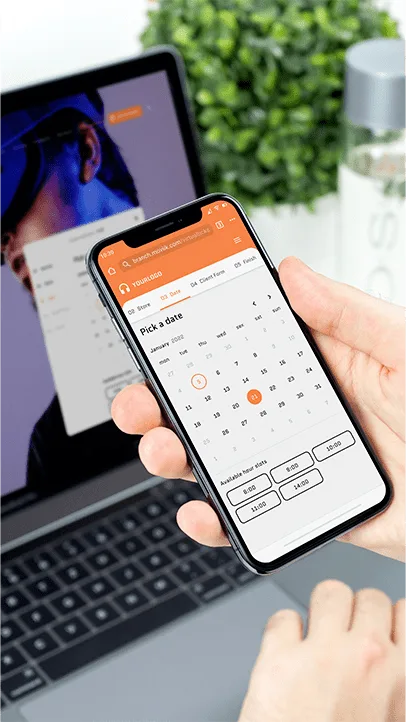
In the future, queueing won’t be a side process — it will be a fully integrated part of the digital journey. From the moment a customer books an appointment online to the second they leave your store or branch, the queue is just one of many connected touchpoints.
Queue management systems must now integrate with CRMs, booking platforms, signage systems and mobile apps to offer a seamless experience — whether the user starts online, in-store, or via app.
Data-Driven Operations
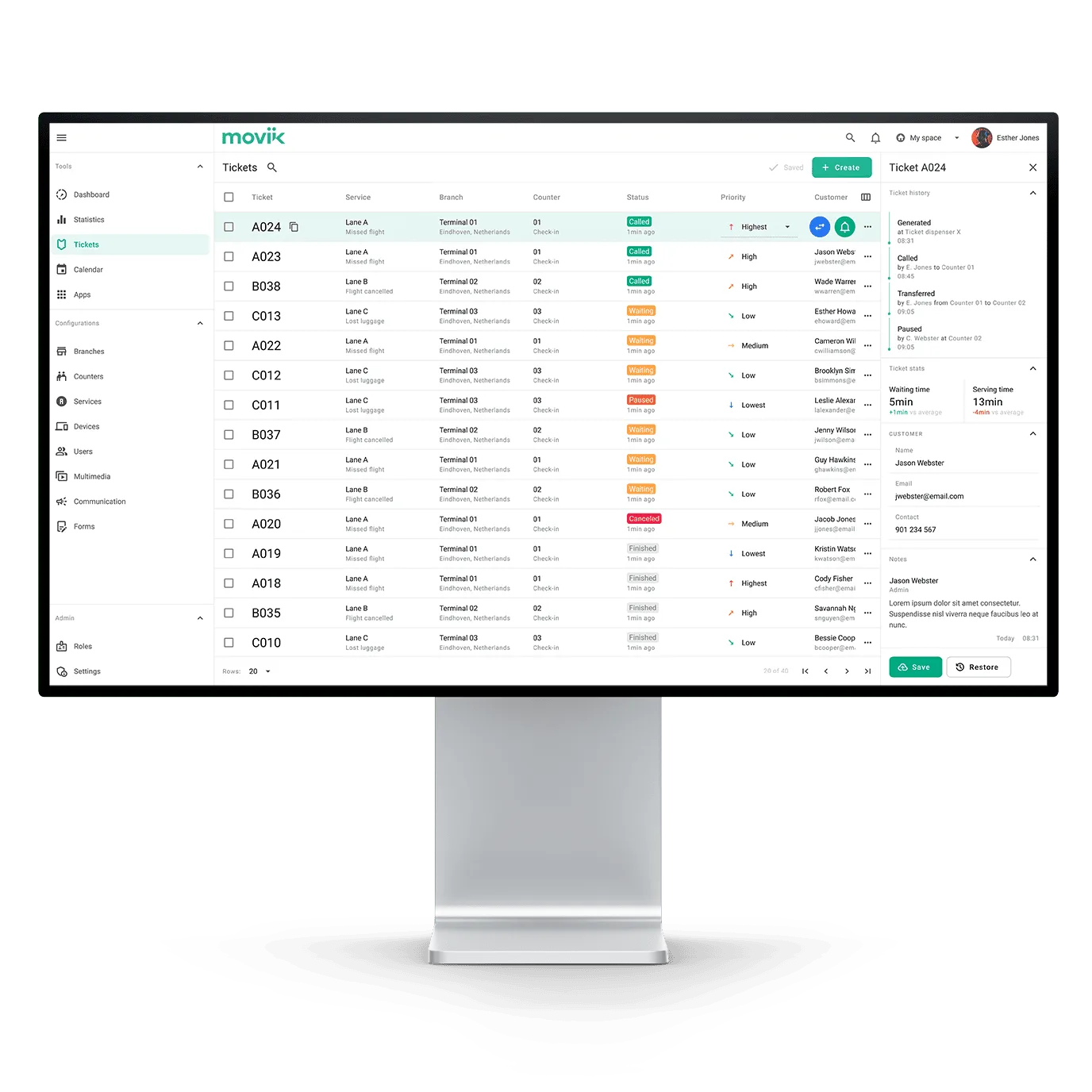
Queueing systems are becoming a goldmine of real-time operational data. Businesses can track average wait times, identify bottlenecks, understand service demand patterns, and measure staff performance — all in one interface.
The future is not just about organising queues — it’s about translating queue data into actionable insights.
Less Waiting, More Flow
We’re seeing a move towards decentralised service points — where queueing doesn't happen in a fixed place, but follows the customer.
Think of kiosks, tablets or QR check-ins distributed across the store, or even geofenced queue entry via smartphone.
The goal? Keep people moving, reduce physical crowding, and make the service adapt to the user — not the other way around.
Now, What's next?
At QCherga, we don’t just follow trends — we build them into solutions.
Whether it's through mobile-first queueing, AI-driven operations or integrated service journeys, we help businesses rethink how they manage customer flow.
Queue management is becoming a strategic tool. Are you ready to take the next step?
Ready to simplify your customer journey?
Request a free demo of QCherga and start your transition to intelligent queue management today.